
Discourse Theory and Analysis
Lecturer: Véronique Mottier
Modality: In presence
Week 1: 10-14 August 2026
Workshop contents and objectives
The aim of this workshop is to explore the practical application of discourse theory to the analysis of textual data. There are many different versions of discourse analysis; this course focuses specifically on types of discourse analysis which are part of the wider family of interpretative methodologies and which emphasise the links between language and power. Interpretative methodologies are grounded in a social constructionist perspective on social life, reminding social scientists of the constructed nature of the social 'facts' that are studied. Against this backdrop, discourse analysis helps researchers to explore topics such as the meanings and identities through which individuals, groups, or organisations make sense of their everyday lives and interactions and through which they reproduce or challenge their social, organisational and political environments; meanings and identities produced within public policy frames, political activism, or bodily practices; social exclusions or inclusions within media or internet settings; the discursive reproduction or transformation of social norms around national identity, gender, sexuality, disability, migration, racialized identities, ‘old age’ or ‘youth’, etc.
More precisely, the workshop will
(1) examine key interpretative methodologies such as interactionism, ethnomethodology and hermeneutics, and examine how these perspectives translate into concrete research questions and frameworks for ‘doing’ discourse analysis and
(2) explore the application of practical techniques of discourse analysis, focusing especially on textual materials (which can include media or internet materials, archival texts, personal diaries, policy and legal texts, organisational and management documents, activist discourses, scientific discourses, or interview transcripts). Although the lectures, exercises and readings will also address wider methodological issues such as researcher reflexivity and validity concerns, the main emphasis of the workshop is on practical applications of discourse theory and analysis through daily exercises in class. Participants are welcome to bring their own data to the Summer School if they wish to do so and will have a chance to discuss and work on their own data or their research project more generally in individual tutorials during the week.
Prerequisites
No particular prerequisites are needed for this course, but you will be sent several preparatory texts to read a month before Summer School starts.
Recommended Reading
- Denzin, N. & Y. Lincoln (Eds.)(2011) Handbook of Qualitative Research, 4th. edition. London: Sage.
- Taylor, S. (2013) What is Discourse Analysis? London: Bloomsbury.
What our participants appreciated most
"It has already helped me advance the way | conceptualize my PhD project. | enjoyed the interactive format, group work exercises and the possibility to ask questions throughout the course. Also, the final consultation was very useful."
"Wonderfully paced and so much knowledge and the personalised sessions were absolutely insightful. The lecturer was very knowledgeable and i met wonderful people who are brilliant in their work."
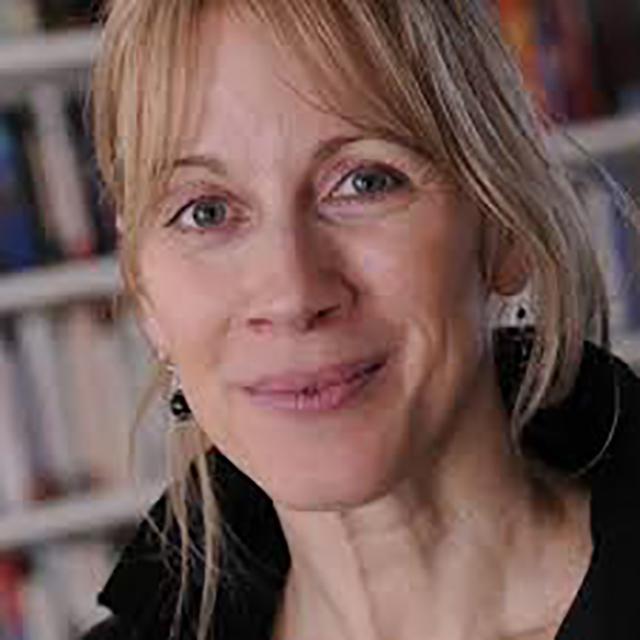
Véronique Mottier
University of Lausanne, Switzerland and Jesus College, University of Cambridge, UK
She is a Professor in Sociology at the University of Lausanne and a Fellow & Director of Studies in Human, Social, and Political Sciences at the Jesus College, University of Cambridge.
Véronique Mottier's research and teaching interests include Social and political theory, Gender, sexuality, and the state, Modernity, race, and identity politics, Welfare states and social exclusion, Coerced sterilisation policies and child removal programs in the Western world, Interpretative research methods, discourse, and narrative analysis.