
Instructors
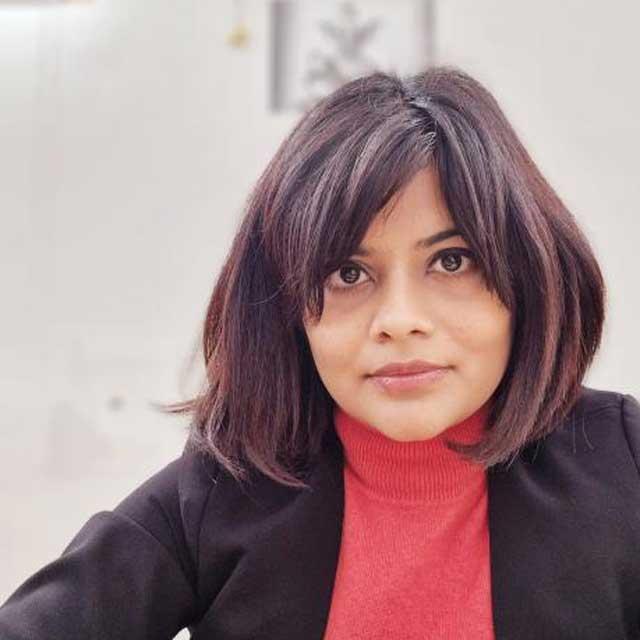
Lakshmi Balachandran Nair
Department of Business and Management, LUISS Guido Carli University, Italy
Dr. Lakshmi Balachandran Nair is a Senior Assistant Professor at LUISS Guido Carli University in Rome, specializing in qualitative methodology and business/organizational ethics. She has published articles in journals such as Research Policy, Journal of Management, Organizational Research Methods, Journal of Business Ethics, Journal of Business Research, Journal of Management Inquiry, Journal of International Management etc., to name a few. Lakshmi has also published books, book chapters, and case studies with Cambridge University Press, Sage Publishing, Pearson Financial Times Press etc. For her work, Lakshmi has won several awards and grants, including but not limited to those from, Academy of Management, British Academy of Management, European Conference on Research Methodology for Business and Management Studies, Swiss National Science Foundation, and Swiss Academy of Humanities and Social Sciences.

Derek Beach
Aarhus University, Denmark
Derek Beach is a professor of Political Science at Aarhus University, Denmark, where he does research on research methodology and European integration. He has authored articles, chapters, and books on research methodology, policy evaluation, international negotiations, referendums, and European integration, and co-authored the book Process-tracing Methods: Foundations and Guidelines (2019, 2nd edition, University of Michigan Press). He has taught case study methods at numerous workshops and ph.d. level courses throughout the world, and conducted evaluations at the national and international level. He was an academic fellow at the World Bank’s Independent Evaluation Group in spring 2022. He is an academic coordinator of the Methods Excellence Network (MethodsNet).

Max Bergman
Chair of Social Research and Methodology, University of Basel, Switzerland
Max Bergman is a Chair of Social Research and Methodology at the University of Basel, Switzerland.
His main research focus is on sustainable business-society relations. He also teaches and publishes on qualitative, quantitative, and mixed methods research. His research projects are currently located in Europe, India, and Singapore.
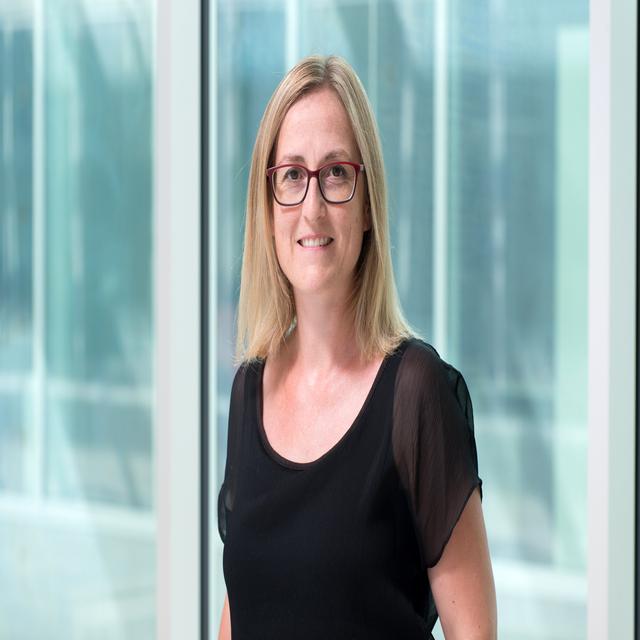
Carmen Borrat-Besson
Carmen Borrat-Besson is a senior researcher at the Swiss Center of Expertise in the Social Sciences (FORS). She was trained in psychology, sociology, and health communication sciences at Fribourg, Heidelberg, and Lugano. She is responsible at FORS for implementing the Swiss part of the Survey of Health, Ageing, and Retirement Study (SHARE). Her research activities currently focus on end-of-life decisions, end-of-life preferences, and advanced care planning.
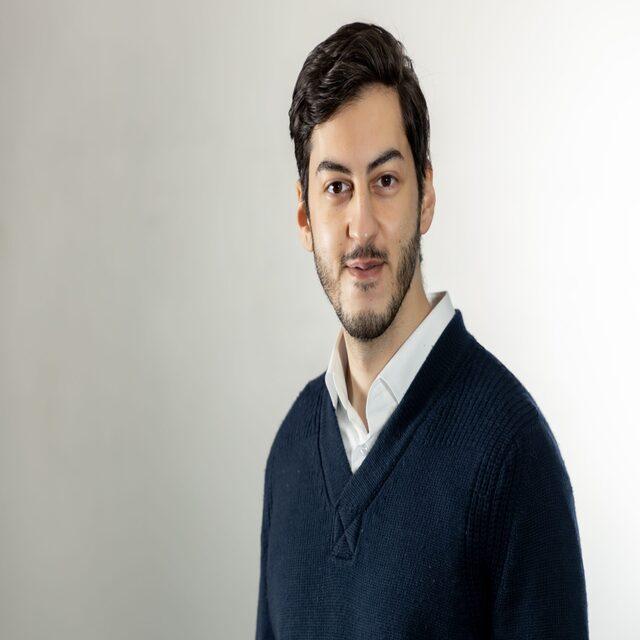
Hamid Bulut
University of Luxembourg, Luxembourg
Hamid Bulut is a sociologist and researcher with a focus on computational social science. He holds a PhD in Sociology from the University of Luxembourg, complemented by a background in Business Administration.
His substantive research interests include the sociology of youth, environmental sociology, and public health. Methodologically, he specializes in survey experiments, unsupervised learning, web data collection, and spatial analysis. He has previously developed and taught graduate seminars in Applied Bayesian Statistics and Interactive Data Visualization in R.

Mario Callegaro
Mario Callegaro is an independent consultant with over 35 years of experience on survey research methods. Mario worked for 15 years at Google as survey research scientist in the marketing organization first, and then as user experience researcher in the Cloud organization. Mario obtained a Master and Ph.D. in Survey Research and Methodology from the University of Nebraska, Lincoln. His first job after the Ph.D. was to work as survey research scientist for the probability-based online panel Knowledge Panel (now Ipsos-Knowledge Panel). He is also the lead editor of the volume: Online panel research: A data quality perspective (Wiley). Mario published Web Survey Methodology with Sage, a handbook on online surveys, also available as open access, and cited over 900 times. Mario publications are all available at callegaroresearch.com.
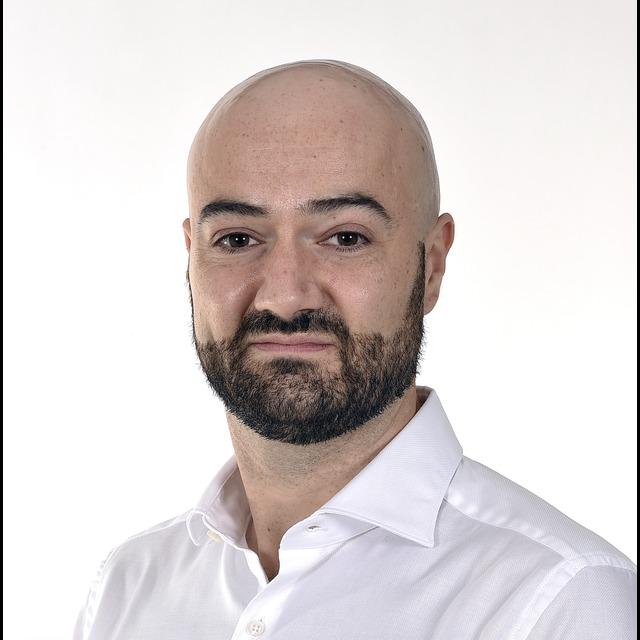
Giovanni Colavizza
University of Copenhagen and University of Bologna
Colavizza is a Professor of Digital and Computational Humanities at the Department of Communication, University of Copenhagen, and Associate Professor of Computer Science at the Department of Classical and Italian Philology at the University of Bologna. Colavizza is the CTO of Odoma, a Swiss-based company providing AI solutions for the cultural and creative sectors. Colavizza held previous appointments at the The Alan Turing Institute, the University of Amsterdam, and the EPFL. Colavizza’s primary domain of expertise is that of machine learning applications in the Social Sciences and Humanities.
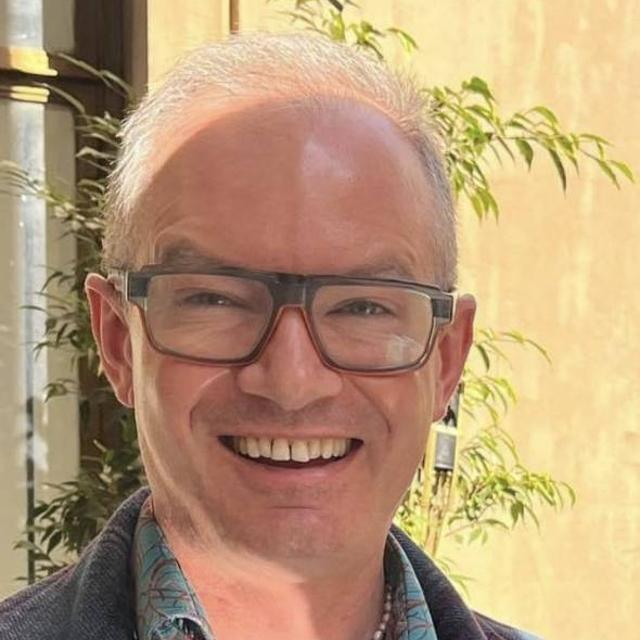
Daniel Conway
School of Social Sciences, Faculty of Liberal Arts and Humanities, University of Westminster, London, UK
Daniel Conway is Reader in Politics and International Relations at the University of Westminster and a Research Associate at the Wits Centre for Diversity Studies, University of the Witwatersrand, Johannesburg. His research is situated at the intersections of Feminist International Relations, political sociology and queer theory and with an expertise in qualitative methods and ethnography. He has conducted extensive ethnographic fieldwork at Pride events in South Africa, East and South Asia and North America that contributed to his book The Queer Politics of Pride: Global LGBTQ+ Activism and Homocapitalism (2025, Bloomsbury Academic). He has published widely on the anti-apartheid and peace activism by white South Africans in the 1980s including Masculinities, Militarisation and the End Conscription Campaign: War Resistance in Apartheid South Africa (Manchester and Johannesburg: Manchester University Press and Wits University Press, 2012), and has conducted ethnographic fieldwork on the lives and identities of British immigrants in South Africa published as Migration, Space and Transnational Identities: The British in South Africa (with Pauline Leonard, Palgrave Macmillan, 2014), His work has been published in the journals Sociology, International Feminist Journal of Politics, Qualitative Research, Men and Masculinities, Citizenship Studies, Sexualities, International Affairs and the Journal of Southern African Studies. Conway’s research has been funded by the Leverhulme Trust, the Economic and Social Research Council and the British Academy. He is a former chair of the Feminist Theory and Gender Studies Section of the International Studies Association.
Daniel Conway was awarded a PhD in Politics by Rhodes University, South Africa, an MSc with Commendation in International Relations by the University of Bristol and a BA (Hons) in History and Politics by the University of Exeter.
Eldad Davidov
University of Cologne, Germany
He is professor in methodology at the Department of Sociology and Social Psychology at the University of Cologne. He was president of the European Survey Research Association (ESRA) between 2015 and 2017, professor of sociology at the University of Zurich between 2009 and 2024, and co-director of the University of Zurich Research Priority Program Social networks between 2013 and 2024.
His research interests concentrate on structural equation modeling especially applied to cross-cultural and longitudinal survey data. In his research he analyzes human values and attitudes toward immigrants or other minorities.

Francesco Denti
Department of Statistics, University of Padua, Italy
Francesco is a Senior Assistant Professor (Rtd-B) at the Department of Statistics of the University of Padua. Previously, he held the role of Assistant Professor (Rtd-A) at the Department of Statistics of Università Cattolica del Sacro Cuore in Milan. Prior to that, he spent two years as a Postdoctoral Scholar at the Department of Statistics of the University of California - Irvine (UCI).
Francesco obtained a Ph.D. in Statistics at the University of Milan - Bicocca and Università della Svizzera italiana (joint program, awarded with honors).
His research is focused on the application of Bayesian methodologies to complex datasets. In particular, he is interested in Bayesian mixtures, Bayesian nonparametric, model-based clustering, shrinkage priors, and dimensionality reduction.
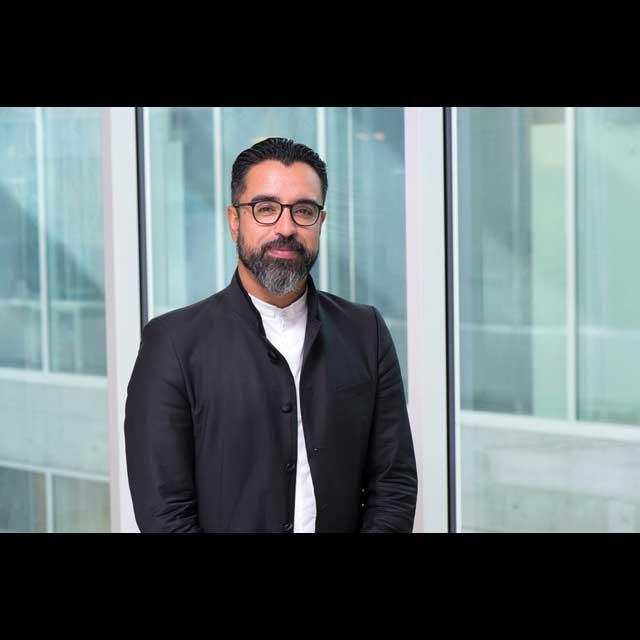
Pablo Diaz
University of Lausanne, Switzerland
Pablo Diaz has a PhD in social sciences. After working on several international research projects on issues relating to the circulation of public policy models, he reoriented his career towards supporting researchers. Over the last ten years, he has developed solid expertise in the management of personal and sensitive data, particularly within the Foundation FORS, where he worked until 2023. He is now the Research Ethics Officer of the University of Lausanne, where he coordinates the Research Ethics Committee (CER-UNIL) and contributes to steer institutional strategy in this area.

Jolanta Drzewiecka
Faculty of Communication, Culture and Society, Università della Svizzera italiana, Switzerland
Jolanta Drzewiecka (PhD, Arizona State University, USA) researches discursive constructions of cultural, racial, and national differences and identities to advance a critical intercultural communication framework. She focuses on two areas: immigrant identity and public memories. In the first, she examines how immigrant identities are negotiated and represented in personal and media narratives. Here, she develops a theory as to how immigrants are racially incorporated through intercultural translation in ways that sustain structures of inequality. The latter area explores how public memories are shaped by and shape nationalism. She is particularly interested in how memories of ethnic violence are discursively disabled and blocked and victims rendered unrecognisable to protect fictions of the national self. Here, she combines discourse and rhetorical analyses with psychoanalytic theories.
She has published her research in journals such Communication Theory, Journal of International and Intercultural Communication, Media Studies in Communication, and Communication and Critical/Cultural Studies.
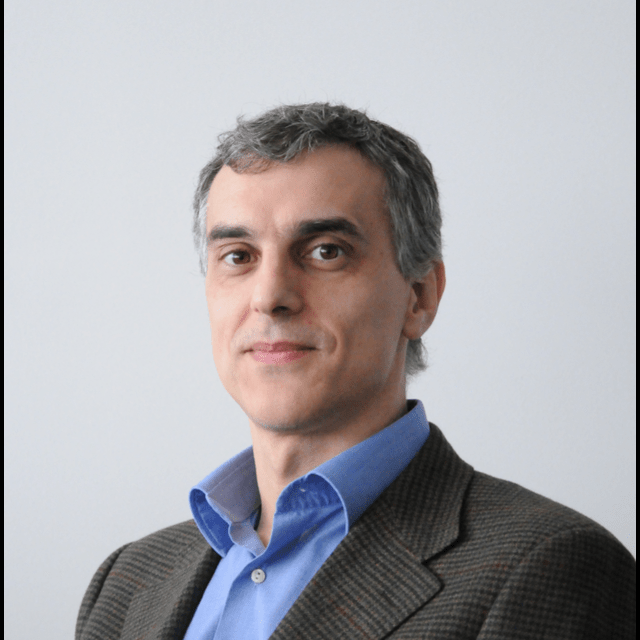
Mario Gay
Università della Svizzera italiana, Switzerland & University of Bath, UK
Mario Gay has over 30 years of experience in IT development and management in higher education and research. He worked at the Swiss national supercomputing center (CSCS) and Università della Svizzera italiana (USI), where he managed IT services for 26 years and represented USI in national committees and working groups. Since January 2024, he has retired from full-time work at USI and he is pursuing doctoral studies at the University of Bath, conducting research at USI, and consulting on IT governance, data protection, and information security in higher education and research.

Michael Gibbert
Faculty of Communication, Culture and Society, Università della Svizzera italiana, Switzerland
He is a Full Professor of Marketing at the Institute of Marketing and Communication Management (IMCA) at Università della Svizzera italiana (USI).
Among other things his competence areas are: Branding, Buyer-supplier Relationship, Customer Value, Hospitality and Tourism Marketing Management, Innovation management, Marketing, Marketing Research Methodologies, Onerous Consumption, Public Administration, Supplier Relationships, Sustainable Resource Utilisation.
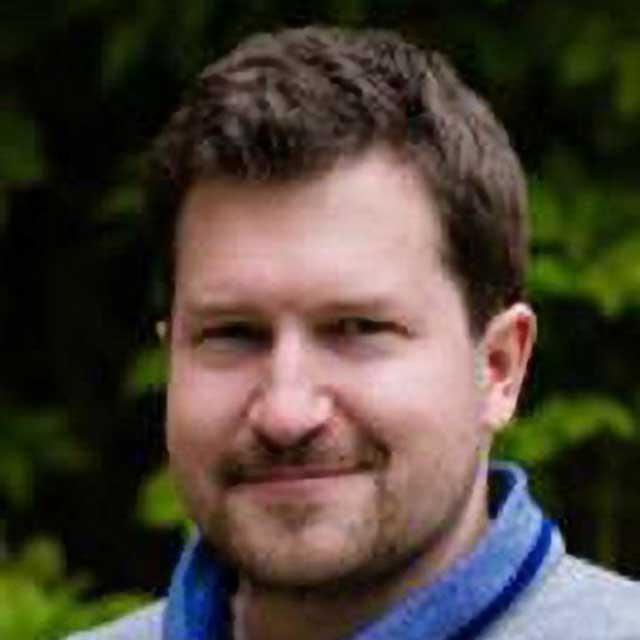
Michael Grätz
University of Lausanne, Switzerland
Michael Grätz is a SNSF professor in sociology at the University of Lausanne. He currently conducts a research project financed by a Starting Grant from the Swiss National Science Foundation. The project estimates the evolution of inequality of opportunity in modern societies. He is also an associate professor (docent) at the Swedish Institute for Social Research (SOFI), Stockholm University.
In the past, he worked at Nuffield College, University of Oxford and Bielefeld University. He received his PhD in Political and Social Sciences from the European University Institute (EUI) in 2015.
His research interests are in the fields of child development, social stratification, and social demography. A major aim of his research is to understand the intergenerational transmission of advantage.
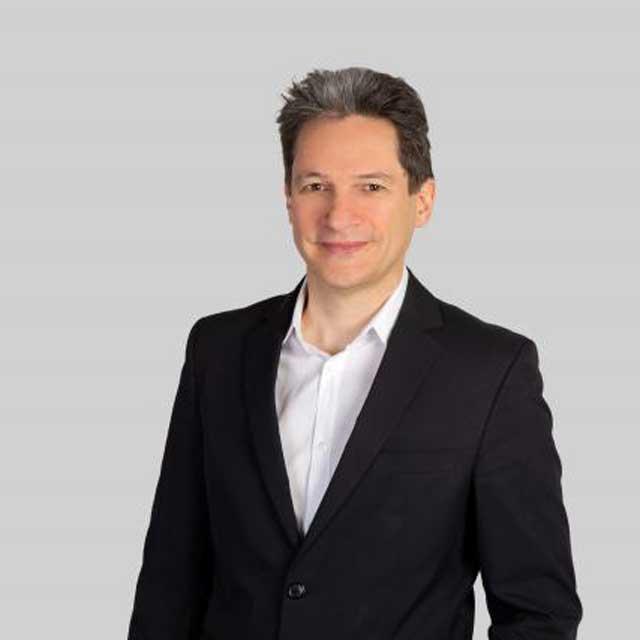
Peter Gruber
Faculty of Economics, Università della Svizzera italiana, Switzerland
Peter Gruber has a PhD in Physics from TU Wien and a PhD in Finance from the Università della Svizzera italiana. He has joined USI in 2008. His research interests include the economics of volatility, econometrics with non-standard data sets and high performance computing. Dr. Gruber teaches numerical methods with MATLAB and R at USI and in St. Gallen.

Meret Hildebrandt
Swiss Centre of Expertise in the Social Sciences
Meret Hildebrandt completed her studies in physics at the University of Konstanz and Heidelberg. She has extensive work experience in the field of data preservation and management across various domains, as well as functional software development within this field. At the Swiss Centre of Expertise in the Social Sciences (FORS), her primary focus lies in data archiving, specifically conducting quality checks on metadata, and carrying out the maintenance and administration of the FORS ReplicationService.
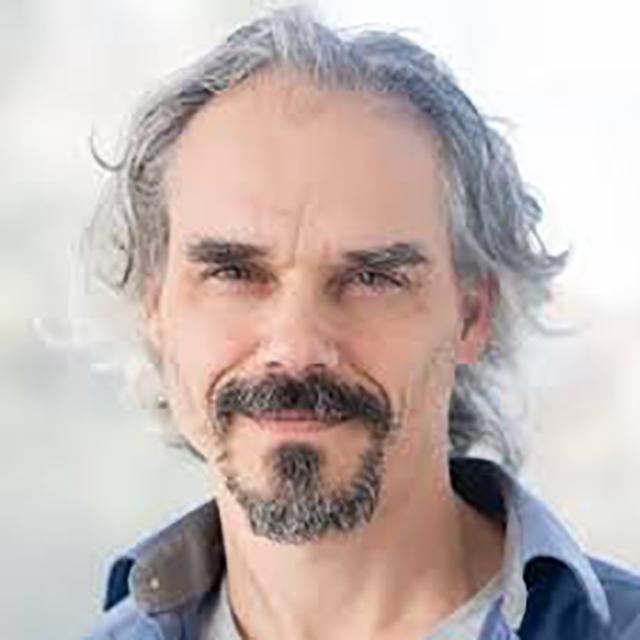
Thomas Hills
University of Warwick
Thomas Hills is Professor of Psychology at the University of Warwick, concentrating on how humans represent and navigate information in the mind and society, including topics such as conspiracy beliefs, aging memory, and cultural evolution. He directs the Behavioral and Data Science MSc and has held fellowships with the Alan Turing Institute and the Royal Society. His publications include work in psychology, communications, education, and economics, and focus on issues associated with large-scale analysis of data.
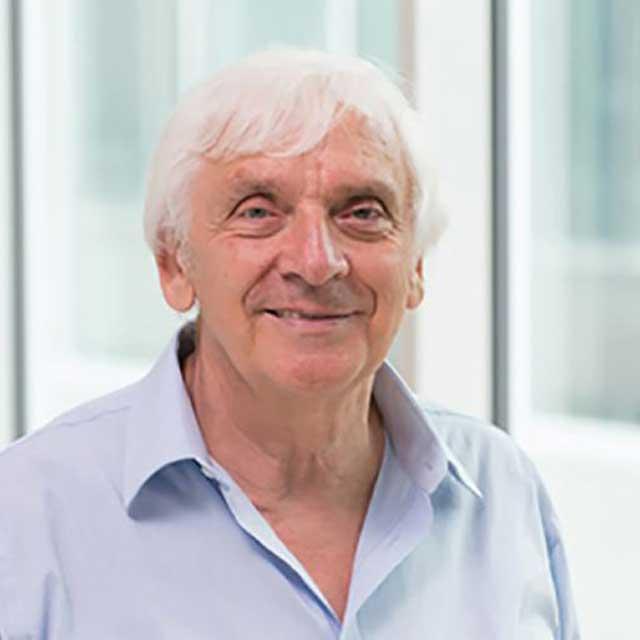
Eugène Horber
University of Geneva and FORS, Switzerland
Eugène Horber is professor emeritus of methodology at the Department of Political Science and International relations, University of Geneva, as well as an affiliated researcher at FORS. He holds a PhD degree in Political Science and has taught social science methodology (both quantitative and qualitative), applied computer science, and statistics at the University of Geneva.
He was the director of the Swiss Summer School (Social Science Methodology) for over 25 years; main teaching activities in the past include the Essex Summer School, the Carcassonne Summer School, the PRESTA programme (EU programme for South America), Eurostat/TES, ENSAE (Paris) and ENSAI (Rennes).
His research interests and publications are in the area of statistical methodology (data exploration, visual data analysis), survey research and aggregate data analysis, as well as applied computer science (didactic software, hypertext, statistical software) and computer-assisted qualitative data analysis. He is the author of a software package for exploratory data analysis.
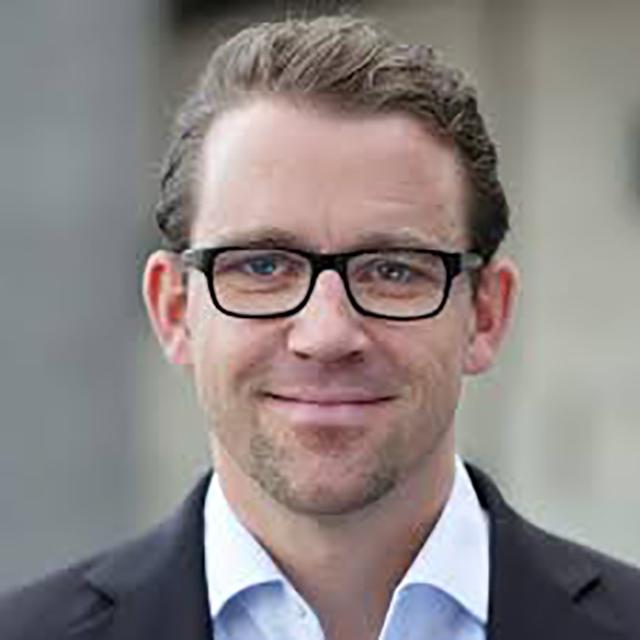
Sebastian Kernbach
University of St. Gallen, Switzerland
Sebastian Kernbach has a PhD in Communication Science in which he focused on Visual Collaborative Knowledge Work in knowledge-intense collaboration in Professional Services Firms and Design Thinking. He is with the University of St. Gallen where he works as project manager, research associate, and instructor at the Institute of Media and Communications Management.
His research focuses on the role of visual thinking in interpersonal interactions. He is particularly interested in enhancing interactions between consultants and clients through visualization. In addition he provides workshops for professionals, researchers and lecturers on the usefulness of visual thinking.
Prior to his research he worked as consultant for Interbrand, as Head of Branding and Communication of a Swiss startup and as Manager for Marketing and Communication for XEROX. He studied Business Administration and Communication in Breda, Düsseldorf, Copenhagen, Lugano and St. Gallen. His latest book covers visual thinking, storytelling and other elements as part of creativity and productivity in research which was published in 2019 by Cambridge University Press.

Bernhard Kittel
University of Vienna, Austria
Bernhard Kittel is professor of economic sociology at the University of Vienna. Previous appointments include the Max Planck Institute for the Study of Societies in Cologne, the University of Bremen, the Universiteit van Amsterdam and the Carl von Ossietzky University Oldenburg. His work focuses on justice attitudes, group decision making and marginal groups in the labor market, using experimental methods, population surveys and interviews. More recently, he has also been involved in work on deliberation, and he has been co-organizer of a citizens convention on the Austrian security strategy. He is co-author, with Davide Barrera, Klarita Gërxhani, Luis Miller and Tobias Wolbring, of Experimental Sociology. Outline of a Scientific Field (Cambridge University Press, 2025). With Stefan Traub he has co-edited the volume Priority of Needs? An Informed Theory of Need-based Justice (Springer, 2024). 2020-2023 he has directed the Austrian Corona Panel Project which collected data on the societal implications of the Covid-19 pandemic. In 2017-18, he has been a member of the questionnaire design team for the module on Fairness and Justice in Europe in round 9 of the European Social Survey. He has been academic convenor of the ECPR Methods School in Ljubljana (2006-2015) and he is currently chairperson of the scientific advisory board of GESIS.
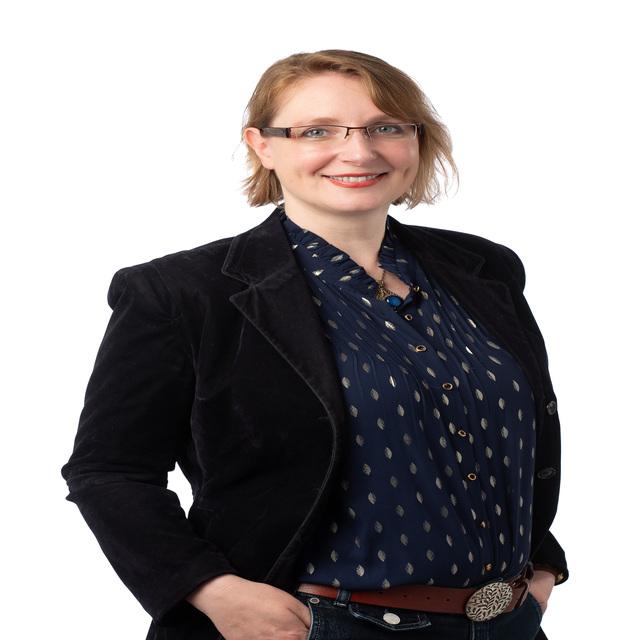
Tine Köhler
University of Melbourne, Australia
Tine Köhler is current co-Editor-in-Chief at Organizational Research Methods (ORM) and was a former Associate Editor at ORM and at Academy of Management Learning and Education (AMLE; with an emphasis on editing qualitative submissions in both journals). She is an incoming Associate Editor for Academy of Management Journal (with an emphasis on qualitative methods paper submissions). Furthermore, she currently is an editorial board member at four journals: Academy of Management Learning and Education, Journal of Management Education, Journal of Management Scientific Reports, and Small Group Research.
Tine’s substantive research areas are in international management, organizational behavior, and industrial and organizational psychology. Her methodological expertise is in qualitative research methods (predominantly grounded theory and ethnography), quantitative research methods (predominantly regression techniques, replication, and meta-analysis), and research design.
Tine is a member of the AIB ethics policy committee and reviewer training committee and an Advisory Board member of the AIB Research Methods Special Interest Group. She is also a CARMA instructor and a CARMA Senior Content Editor.
Ursina Kuhn
FORS and member of the Swiss Household Panel team
Ursina Kuhn is a senior researcher at FORS and the Swiss Household Panel.
After a PhD in political science on voting behavior she worked and led research projects in different disciples of social science, such as sociology, economics, political science and methods of panel data. She has a long experience of collecting, preparing and analyzing data of the Swiss Household Panel, but has also experience using other panel surveys and administrative data.
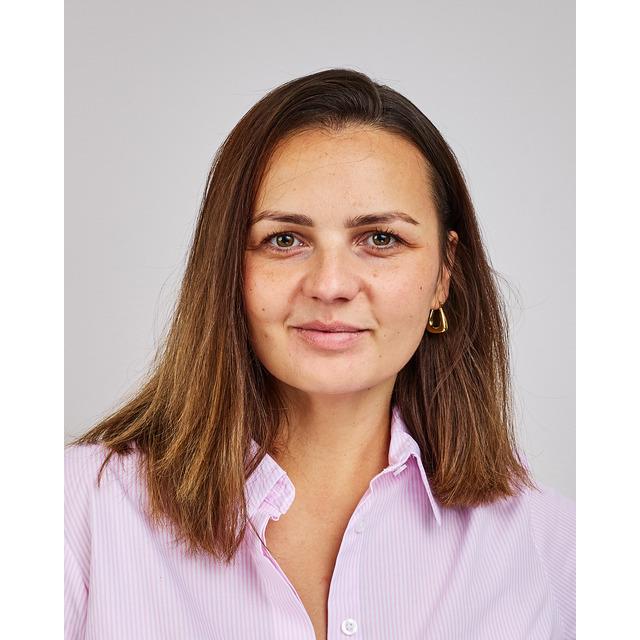
Agata Lambrechts
Università della Svizzera italiana
Dr Agata Lambrechts is a scientific collaborator at the Institute of Communication and Public Policy at Università della Svizzera italiana and a senior researcher at the Swiss Federal University for Vocational Education and Training. She holds a PhD in Education from the University of York, UK, with previous degrees in law, international politics and human rights, and international relations. Her current research interests cover a range of topics in research policy and higher and vocational education studies, including institutional cooperation, research funding, diversity of higher education institutions, migration and higher education, doctoral education and academic careers, in particular – the gender inequalities in academic labour.
Dr Lambrechts is also a committed researcher development professional - since 2022 she has managed the Summer School in Social Sciences Methods and since 2024 also the USI doctoral school in theory and theorising.
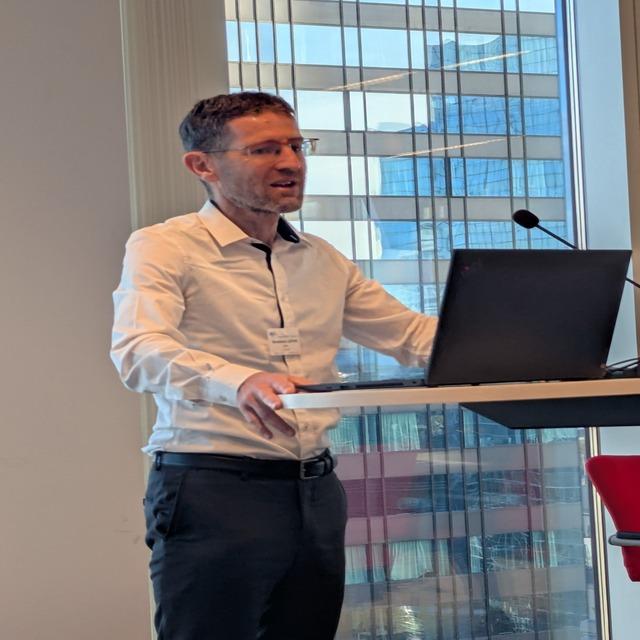
Benedetto Lepori
Faculty of Communication, Culture and Society, Università della Svizzera italiana, Switzerland
Benedetto Lepori is titular professor at the Faculty of Communication, Culture and Society of the Università della Svizzera italiana and senior researcher at the Austrian Institute of Technology; he is the scientific director of European Higher Education Sector Observatory (EHESO) and academic director of the Summer School in Scientific Methods in Lugano.
His research interest include: Governance and organizational structures of higher education institutions, Institutional theory, particularly institutional logics approaches and hybrid organizations, Development of data infrastructure for S&T studies, Diversity and characterization of higher education systems, Comparative analysis of national research policies and funding systems, Indicators to characterize research funding systems and higher education institutions. Professor Lepori has researched and taught extensively on scientific communication and writing, including studies of grant proposal writing, o scientific language and polysemy and argumentation.

Oliver Lipps
FORS and University of Bern, Switzerland
He is a survey methodologist at FORS, Lausanne, and member of the Swiss Household Panel team. In addition, he is a lecturer in survey methodology and survey research at the Institute of Sociology at the University of Bern.
His main research interests are nonresponse in cross-sectional surveys and attrition in panel surveys, panel data analysis, as well as causality in social science research. His research includes social inequality issues in different substantive topics such as the labor market, health, or education.
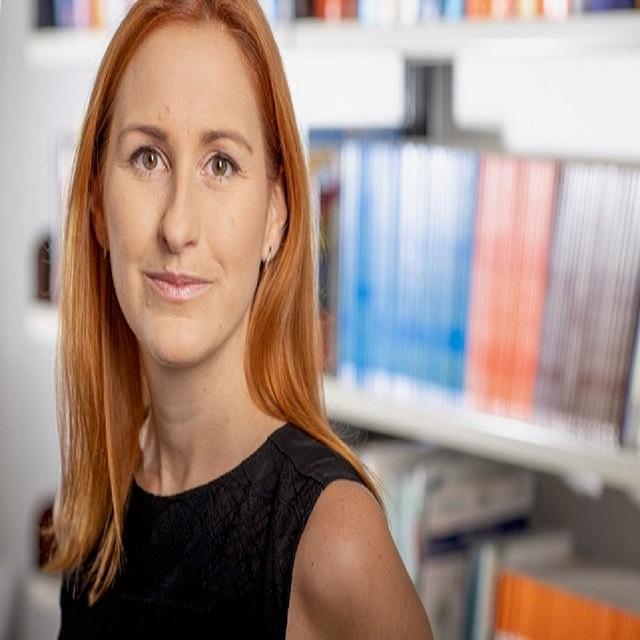
Katharina Lobinger
Institute of Digital Technologies for Communication, Università della Svizzera italiana, Switzerland
Katharina Lobinger is Associate Professor at the Institute of Digital Technologies for Communication (ITDxC) at Università della Svizzera italiana. She is a visual communication scholar. Her main research interests include networked photography, online communication, digital (visual) culture, ethics for the digital age, and creative and visual research methods. In particular, she is working with interdisciplinary and mixed method approaches of visual content analysis, visual card sorting procedures (such as Q-sort), network drawings and visual elicitation. Katharina Lobinger is president of the Swiss Association of Communication and Media Research (SGKM, SACMR) and has been vice-chair and then chair of the visual communication division of the German Communication Association (2013 to 2019).
She is editor of the “Handbuch Visuelle Kommunikationsforschung” [Handbook of Visual Communication Research].
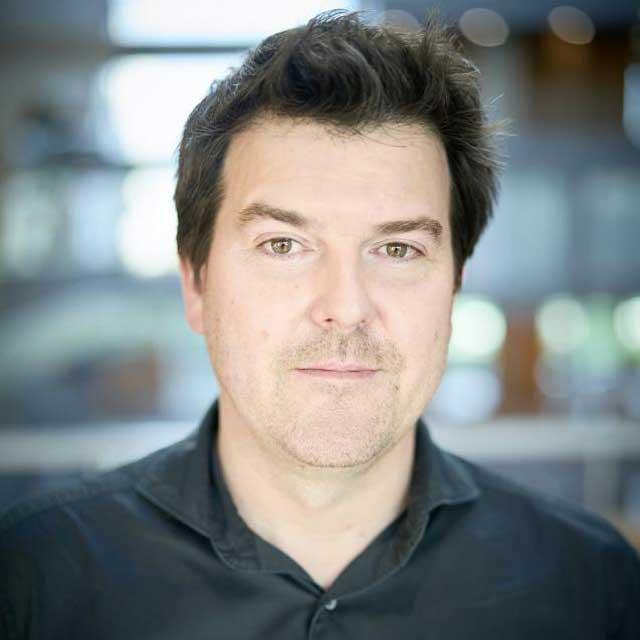
Patrick A. Mello
Vrije Universiteit, Amsterdam, Netherlands
Patrick A. Mello is Assistant Professor of International Security at the Department of Political Science and Public Administration of Vrije Universiteit Amsterdam. He holds a PhD in Political Science from Humboldt University Berlin and a Habilitation in Political Science (venia legendi) from the Technical University of Munich.
His research focuses on international relations, foreign and security policy, and comparative methods, especially Qualitative Comparative Analysis (QCA). He has been teaching QCA at the USI Summer School in Social Science Methods since 2016.
He is the author of the award-winning Democratic Participation in Armed Conflict (Palgrave Macmillan, 2014), and co-editor of the Routledge Handbook of Foreign Policy Analysis Methods (2023). His articles have appeared in journals such as European Journal of International Relations, European Political Science Review, West European Politics, Foreign Policy Analysis, British Journal of Politics and International Relations, and Contemporary Security Policy.
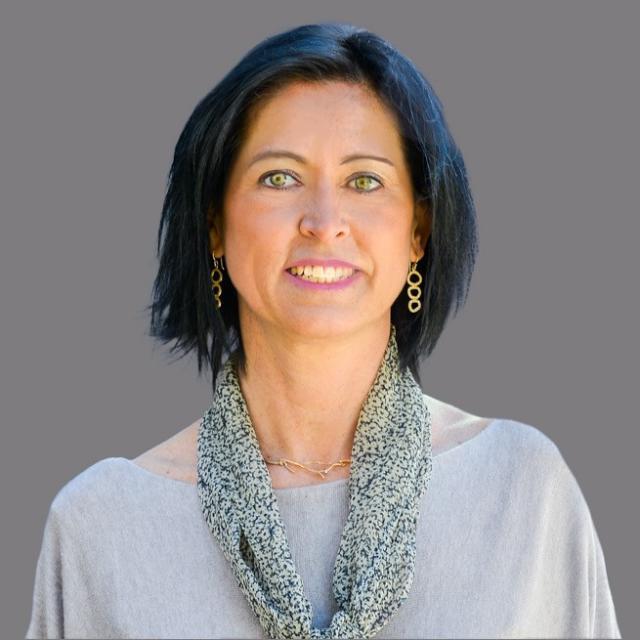
Antonietta Mira
Professor of statistics, founder and director of the Data Science Lab, Università della Svizzera italiana, Switzerland
Antonietta is professor of statistics, founder and director of the Data Science Lab at Università della Svizzera italiana, (Lugano) where she served as the Vice-Dean in the Faculty of Economics (2013–2015). She is also adjunct professor at University of Insubria (Como, Italy) and has been nominated fellow of the Institute of Mathematical Statistics and of the International Society for Bayesian Analysis. She is member of the board of the Swiss Office of Federal Statistics and of the Swiss Statistical Society, and of the Harvard Data Science Review.
Her current research focuses on Bayesian statistics and data science, with a clear interdisciplinary scope with applications to social sciences, life sciences, finance and economics.
She has won awards for excellence in both research and teaching. Antonietta is also involved in public outreach both as an organizer of events and as a speaker and through the media is engaged in the strengthening of the culture of data science.
She is the principal investigator on several projects at the Swiss National Science Foundation and a member of multiple scientific committees representing her areas of expertise.

Emilie Morgan de Paula
Swiss Center of Expertise in the Social Sciences
Emilie Morgan de Paula was trained in sociology and communication sciences at the University of Fribourg. She currently works at the Swiss Center of Expertise in the Social Sciences (FORS) in the Data Management and Archive Services (DMAS) unit. Within FORS, she supports research data management and open sciences initiatives, and is editor of FORS guides on survey methods and data management.
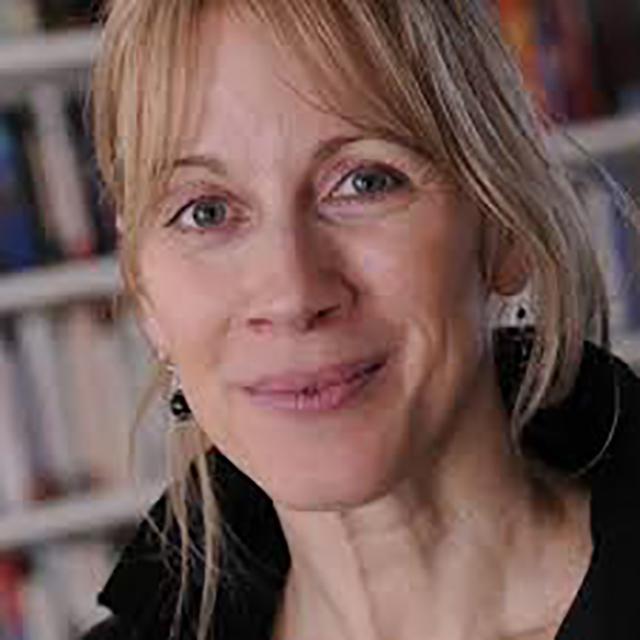
Véronique Mottier
University of Lausanne, Switzerland and Jesus College, University of Cambridge, UK
She is a Professor in Sociology at the University of Lausanne and a Fellow & Director of Studies in Human, Social, and Political Sciences at the Jesus College, University of Cambridge.
Véronique Mottier's research and teaching interests include Social and political theory, Gender, sexuality, and the state, Modernity, race, and identity politics, Welfare states and social exclusion, Coerced sterilisation policies and child removal programs in the Western world, Interpretative research methods, discourse, and narrative analysis.

Michael Ochsner
FORS
Michael Ochsner is an international and interdisciplinary scholar specialised in survey methodology, social policy as well as science policy and research evaluation. He studied sociology, environmental sciences and social pedagogy and holds a PhD in Sociology of the University of Zurich. He worked at ETH Zurich, University of Zurich, University of Lausanne and has been working as senior researcher at FORS since 2013. He is Chair of the Scientific Committee of the European Values Study, President of the European Network for Research Evaluation in the Social Sciences and Humanities ENRESSH, member of the Editorial Advisory Panel of Nature’s Humanities and Social Science Communications, in the Editorial Advisory Board of Research Evaluation and in the Scientific Advisory Board on Research Assessment of the Swiss Academy of Sciences. He is involved in the implementation of the European Social Survey, European Values Study and the International Social Survey Programme in Switzerland. He has directed or participated in numerous survey projects from expert surveys, Delphi surveys, small population surveys and general population surveys on a broad range of topics such as Attitudes towards Climate Change, Values, Welfare State, Scholars’ Perception of Research Quality, Attitudes towards Open Science and Open Research Data. He taught courses or summer/winter schools at University of Lausanne, University of Vilnius, Ss. Cyril and Methodius University of Skopje, and Università della Svizzera italiana.

Rudi Palmieri
Rudi Palmieri is Associate Professor (Senior Lecturer) in Strategic Communication at the University of Liverpool. His primary area of expertise is the analysis and evaluation of argumentation across various contexts of strategic communication, particularly in financial communication, entrepreneurship, and crisis communication. He has published extensively on these topics in world-leading journals and has taught for several years in multiple countries at undergraduate, postgraduate, and continuing education levels. Born and raised in Switzerland, he moved to the UK in 2015 after completing his doctoral and postdoctoral studies at USI. At the University of Liverpool, he is the founding director of the MSc in Strategic Communication and co-director of the Language, Data and Society research center.

Alexandre Pollien
FORS
Alexandre Pollien is a sociologist specialising in social theory, normativity, the sociology of education, and the sociology of the family. He studied at the Universities of Lausanne and Geneva and holds a PhD in Sociology from the University of Lausanne. Since 2008, he has been a researcher at FORS, where he contributes to international surveys such as the European Social Survey (ESS) and the International Social Survey Programme (ISSP), and is responsible for the fieldwork of MOSAiCH in Switzerland. His main research interests in survey methodology include nonresponse, epistemology of survey measurement, and data cleaning and preparation.

Patricia Prieto-Blanco
Lancaster University, United Kingdom
Patricia Prieto-Blanco is a Lecturer in Digital Media Practice at the Lancaster Institute of Contemporary Arts (LICA), University of Lancaster (UK). She has researched visual practices in the context of family photography, migration, activism and online gender-based violence. She is particularly interested in visual methods and on feminist, ethnographically informed approaches to research. Her work is both theoretical and practice-based (photography, collage, videoart) and has been exhibited internationally most recently at telephonegame.art. At the moment she is co-writing a book about regimes of visuality and visibility in times of gender backlash, techno-patriarchy and automation (Emerald); and co-editing a volume on the work of Amy Sherman Palladino (Bloomsbury) as well a special issue of Big Data & Society on feminist approaches to data. Furthermore, Patricia is a co-editor of the book series Transformations (Routledge) and co-chair of the ECREA Section Visual Cultures.
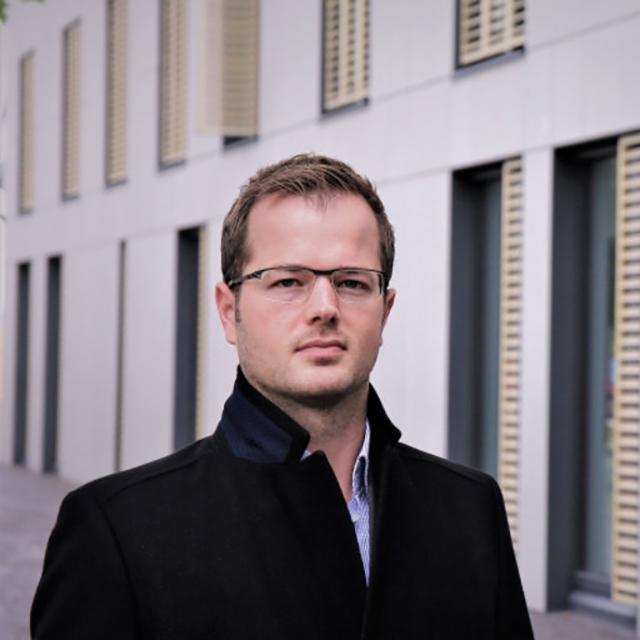
Robin Samuel
University of Luxembourg
My research interests include youth, digitality, health and well-being, sustainability, and research methods. Most of my work involves collecting and statistically analyzing large-scale datasets. In some projects, I also use experimental designs and qualitative methods.
I am a Full Professor at the University of Luxembourg. Since 2020, I have served as Head of the Centre for Childhood and Youth Research and as Head of the Youth Studies Research Group. In 2025, I was appointed Director of the Doctoral Programme in Social Sciences within the Doctoral School of Humanities and Social Sciences.
Previously, I conducted research at the universities of Basel, Bern, Cambridge, Edinburgh, Johannesburg, Pretoria, and Stanford.
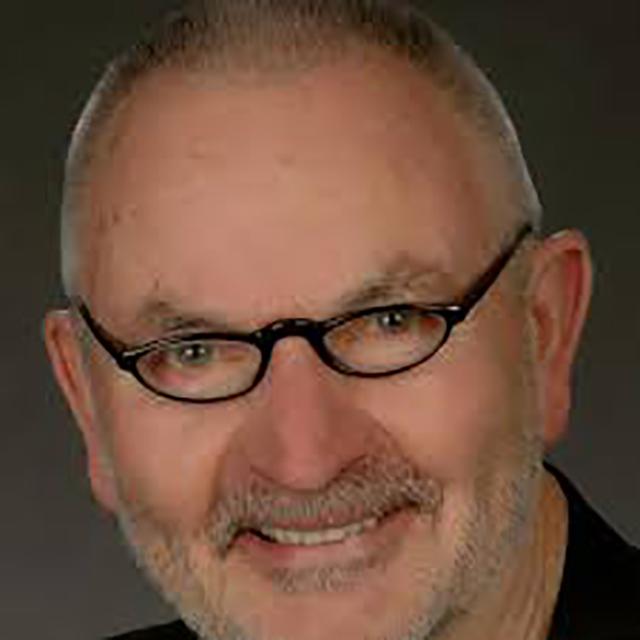
Peter Schmidt
University of Giessen, Germany
Peter Schmidt is professor emeritus of social science methodology at the University of Giessen, and member of its International Centre for Development and Environmental Research (ZEU).
His research concentrates on foundations and applications of generalized latent variable models, especially structural equation models. Applications include cross-country, repeated cross-sections, and panel data. The substantive topics deal with values, attitudes toward minorities, national identity, innovation and the reasoned action approach. He was together with A. Heath, E. Green, E. Davidov and A. Ramos member of the question design team for the immigration module of the ESS 2014 and the ESS 2024.
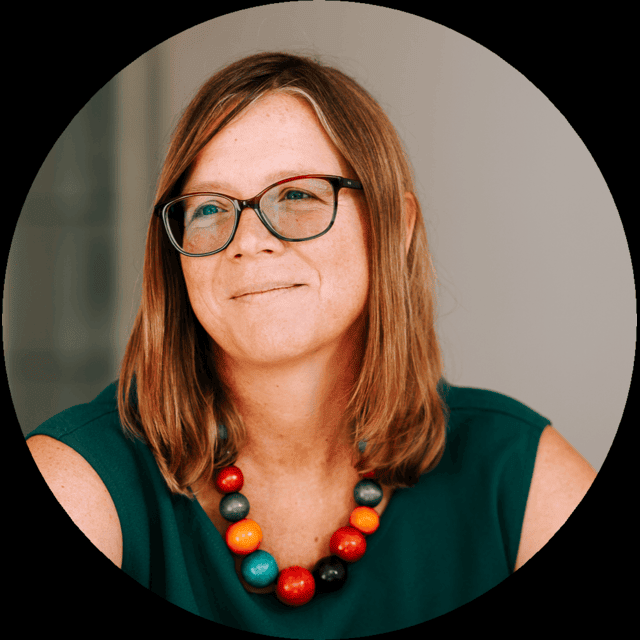
Christina Silver
Department of Sociology, University of Surrey, UK
Christina is Associate Professor (Teaching) in the Department of Sociology at the University of Surrey, UK. She is Director of the CAQDAS Networking Project, which provides information, advice and training in a range of digital tools designed to facilitate the analysis of qualitative data. She is also co-founder of Qualitative Data Analysis Services (QDAS), providing customised consultancy services for individuals and groups. Christina’s interests are in the relationship between technology and methodology (including AI) and the teaching of computer-assisted analysis, and she has published many articles, blogs and textbooks on these topics. She has experience in using all of the leading CAQDAS packages for a range of project types, across academic disciplines, and in applied, government and commercial contexts.
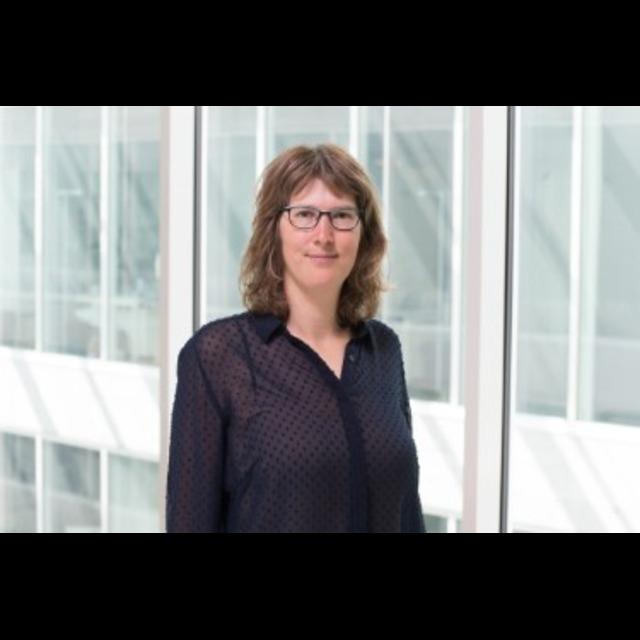
Alexandra Stam
Swiss Centre of Expertise in the Social Sciences
Alexandra Stam is a senior researcher at FORS (Swiss Centre of Expertise in the Social Sciences) since 2009, working within the Data Management and Archive Services (DMAS) unit. She is leading the Data Management Services (DMS) group, and is particularly interested in open research data and the promotion of good data management practices throughout the research life cycle. Trained as a geographer, her research interests are on new forms of migration, particularly student mobility, and marriage migration. She completed a PhD in 2011 on 'marriage migration and the geographies of love', combining both quantitative and qualitative methods.
Marco Steenbergen
University of Zürich, Switzerland
He is professor of political methodology at the University of Zurich. His methodological interests span choice models, machine learning, measurement, and multilevel analysis. His substantive interests cover voting behavior and digital democracy, in particular, online deliberative processes. Originally hailing from The Netherlands, he previously taught at Carnegie Mellon University, the University of North Carolina at Chapel Hill, and the University of Bern. He has published extensively and is co-author of the award-winning book The Ambivalent Partisan (OUP 2012).
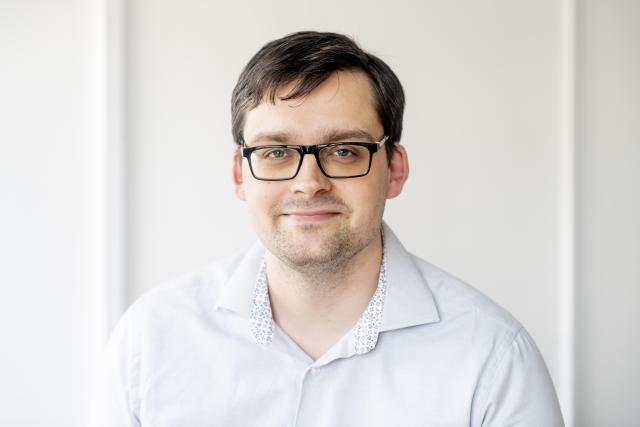
Lukasz Walasek
University of Warwick, UK
Dr Lukasz Walasek is an associate professor at the Department of Psychology, University of Warwick, UK. He completed PhD and MSc in Psychology at the University of Essex and a BSc in Psychosocial Sciences at the University of East Anglia. Dr Walasek teaches the “Behavioural Change: Nudging and Persuasion” on the MSc in Behavioural Economic Science, and MSc in Behavioural Data Science.
In his research, Dr Walasek applies insights from data science to study how people make everyday decisions and judgments. His most recent work uses data mining and natural language processing to study topics such as: implicit bias, self-control, gambling-related harm, food choice, effects of inequality on consumption, as well as the dynamics of political polarization.

Chendi Wang
Vrije Universiteit, Amsterdam
Chendi Wang is an Assistant Professor of Political Science at the Department of Political Science and Public Administration, Vrije Universiteit Amsterdam. He earned his Ph.D. in Political Science from the European University Institute in 2021. His research spans comparative politics, political behaviour, political economy, and political methodology, with current work on European politics, comparative political economy of crisis and macro-policy, party and electoral politics, and political mobilisation. Methodologically, his agenda emphasises Bayesian and non-parametric statistics, time-series analysis, measurement, machine learning and AI, and the integration of causal-inference and computational techniques. His work has appeared in outlets such as the British Journal of Political Science, Comparative European Politics, European Political Science Review, European Union Politics, Journal of European Public Policy, and West European Politics, as well as in books published by Cambridge University Press. He is currently the PI of the funded research project NEST – Navigating the Storm: European Political Contestation in Geopolitical Transformation and co-PI of PoliBias: Cross-National Analysis of Political Bias in Language Models.
In his teaching, Chendi has developed and delivered undergraduate and postgraduate courses in comparative politics and research methods at VU, and has taught advanced methods workshops at the IPSA Summer School and the ECPR Methods School, where he received the Cora Maas Award for best course.