
Navigating the AI Frontier in Online Survey Research: A Methodological Workshop
Instructor: Mario Callegaro & Ana Villar-Casas
Modality: In presence
Week 1: 10-14th august 2026
Workshop content and objectives
Course Overview
The field of survey methodology is currently undergoing its most significant paradigm shift since the transition from telephone to web-based data collection. The integration of Generative AI (GenAI) and Large Language Models (LLMs) offers unprecedented opportunities for efficiency, but it also introduces novel risks to data integrity and representativeness.
This intensive five-day workshop provides a rigorous, evidence-based roadmap for designing and executing online surveys in the AI-augmented era. We critically evaluate where AI provides genuine methodological value, and where it poses threats to data quality.
The AI-Integrated Curriculum
This workshop critically examines the role of AI across all stages of the research lifecycle. Participants will explore:
- Agentic Survey Design: Moving from static forms to AI-assisted instrument development.
- The "Bot" Threat: Identifying and mitigating the rise of agentic browsers and sophisticated automated respondents.
- Governance & Ethics: Deep-diving into the 2026 AAPOR Guidelines on Responsible AI Integration.
Learning Objectives
By the conclusion of this workshop, participants will be equipped to:
- Master the End-to-End Workflow: Execute a professional online survey from initial sampling to final archiving.
- Evaluate AI Efficacy: Critically assess which AI tools enhance research quality versus those that introduce algorithmic bias.
- Optimize for Efficiency: Implement AI-driven strategies to reduce measurement error and streamline questionnaire programming (including Doc2Survey workflows).
- Safeguard Data Quality: Deploy advanced techniques to detect survey fraud in an era of human-mimicking bots.
- Innovate with WAS: Understand the intersection of mobile surveys with Wearables, Apps, and Sensors (WAS).
Workshop Structure & Methodology
This is an applied workshop. We depart from passive lecturing in favor of a laboratory environment. Participants are encouraged to bring their own research projects or work with our high-fidelity datasets. Using Qualtrics as our primary laboratory environment, we will bridge the gap between theoretical methodology and technical implementation.
Daily schedule
| Day 1 |
The Theoretical Foundation & Ethical Governance
|
| Day 2 |
Sampling and Representation in a Digital World
|
| Day 3 |
Instrumented Design & Multilingual Logic
|
| Day 4 |
Data Quality and the "Agentic" Threat
|
| Day 5 |
Synthesis, Analysis, and Reporting
|
Target Audience
This course is designed for Master’s and PhD students, Postdoctoral researchers, and senior academics within the Social Sciences. It is equally relevant for User Experience (UX) Researchers and Market Research professionals seeking to modernize their data collection protocols with methodological rigor.
Prerequisites
Participants should possess a foundational understanding of the Total Survey Error (TSE) framework and basic survey design principles. A laptop is required for daily laboratory sessions.
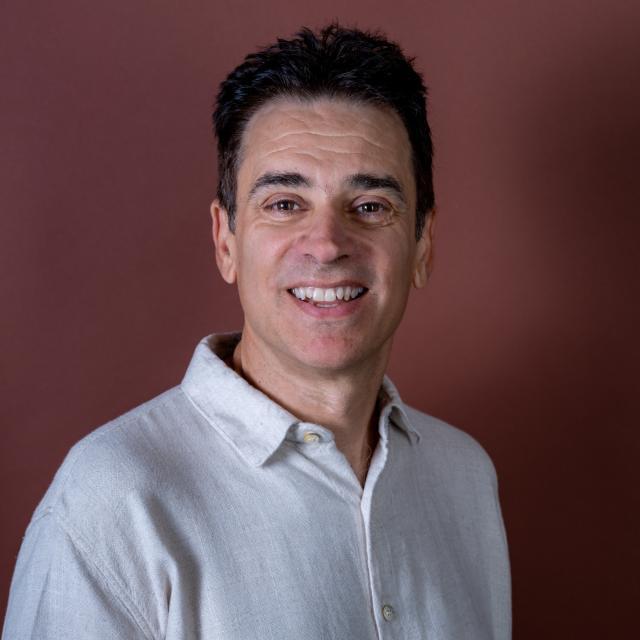
Mario Callegaro
Mario Callegaro is an independent consultant with over 35 years of experience on survey research methods. Mario worked for 15 years at Google as survey research scientist in the marketing organization first, and then as user experience researcher in the Cloud organization. Mario obtained a Master and Ph.D. in Survey Research and Methodology from the University of Nebraska, Lincoln. His first job after the Ph.D. was to work as survey research scientist for the probability-based online panel Knowledge Panel (now Ipsos-Knowledge Panel). He is also the lead editor of the volume: Online panel research: A data quality perspective (Wiley). Mario published Web Survey Methodology with Sage, a handbook on online surveys, also available as open access, and cited over 900 times. Mario publications are all available at callegaroresearch.com.
Ana Villar Casas
Ana Villar Casas, PhD, is a survey methodologist and senior researcher with over 25 years of experience spanning high-level academia and the global technology sector. Most recently, she spent eight years as a Senior UX Researcher at Meta, where she led strategic survey measurement for integrity and safety initiatives across Facebook, Instagram, and WhatsApp. Dr. Villar Casas’s academic career includes research tenures at Stanford University and City St George’s, University of London. At City, she directed the CRONOS project, the first cross-national, probability-based online survey panel. A specialist in cross-cultural methodology and questionnaire design, her work has been featured in peer-reviewed journals and books covering survey response styles, translation-related measurement effects, and public opinion on climate change. She holds a Ph.D. in Survey Research and Methodology from the University of Nebraska-Lincoln.