
Advanced Skills for Research Data Management and Open Science in Social Sciences
Instructors: Dr. Agata A. Lambrechts, Università della Svizzera italiana and Swiss Federal University for Vocational Education and Training; Dr Alexandra Stam, FORS; Emilie Morgan de Paula, FORS; Dr. Igor Sarman, Università della Svizzera italiana; Mario Gay, Independent Expert; Meret Hildebrandt, FORS; Dr. Pablo A. Diaz-Venegas, University of Lausanne
Modality: On-campus
Location: Room A24, Red Building, Campus West, Università della Svizzera italiana, Lugano, Switzerland
Dates: 1-5 June 2026
Fee: CHF 500 (free for USI PhD/postdocs)
Capacity: Spaces for the workshop are limited to 25
Course contents and objectives
The evolving landscape of research, publishing, and career trajectories presents both new opportunities and fresh challenges for those engaged in the social sciences. Increased emphasis on transparency, collaboration, and data-driven insights is redefining how we conduct, communicate, and measure the impact of scholarly work. As such, developing a robust understanding of Research Data Management (RDM) and Open Science (OS) practices has become a critical skillset for early-career researchers. Navigating these shifting demands is key not only for completion of doctoral thesis and publishing success but also for enhancing research productivity and seizing broader career opportunities.
Research Data Management and Open Science Training at the Summer School for Social Sciences Methods
This intensive, comprehensive summer school course on research data management and open research data practices is specifically tailored for doctoral and postdoctoral social sciences researchers. It combines academic theory with hands-on activities, following the research data cycle. We use a dynamic data management plan as the central project, allowing you to apply the learnings to your ongoing research directly.
By bringing your own research data (or research ideas) to the program, you can actively engage in the learning process, ensuring all concepts and techniques have immediate relevance to your specific project and research field.
This immersive experience also addresses ethical considerations, values, and professional attitudes associated with the application of responsible RDM and OS principles and practices, equipping you for a successful career path whether within academia or beyond.
The program's focus on fostering research efficiency and improving your research workflow translates into tangible benefits. You will gain the necessary tools and strategies to effectively manage your data, expedite the publication process, and enhance collaboration opportunities. Ultimately, by understanding how RDM and OS principles contribute to research transparency, reproducibility, and impact, you can strategically utilise these practices to advance your research career and contribute meaningfully to the wider academic community.
Daily schedule
|
DAY 1: 01.06.2026 |
Introduction to Research Data Management and Open Science in Social Sciences Instructor(s): Dr. Agata A. Lambrechts, USI & Dr. Igor Sarman, USI |
|
|
|
Data Management Planning Instructor(s): Dr. Agata A. Lambrechts, USI & Dr. Igor Sarman, USI |
|
|
|
|
DAY 2: 02.06.2026 |
Data Collection and Active Data Curation Instructor(s): Dr. Agata A. Lambrechts, USI & Dr. Igor Sarman, USI |
|
|
|
DAY 3: 03.06.2026 |
Data Ethics and Privacy Instructor(s): Pablo A. Diaz-Venegas, UNIL & Dr Alexandra Stam, FORS |
|
|
|
DAY 4: 04.06.2026 |
Reproducible Research and Data Sharing Instructor(s): Emilie Morgan de Paula, FORS & Meret Hildebrandt, FORS |
|
|
|
DAY 5: 05.06.2026
|
Data Storage and Security Instructor(s): Mario Gay, Independent Expert |
|
Storage solutions for digital and physical data
|
|
|
Participant Presentations Instructor(s): Dr Agata A. Lambrechts |
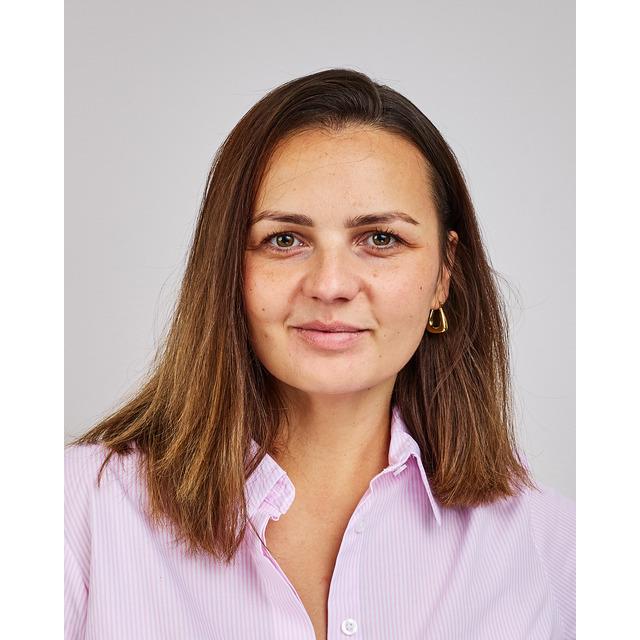
Agata Lambrechts
Summer School Managing Director
Agata Lambrechts is a scientific collaborator at the Faculty of Communication, Culture and Society at Università della Svizzera italiana, serving as the Summer School Manager. She holds a PhD in Education from the University of York, UK, with previous degrees in law, international politics and human rights, and international relations. Alongside her role at USI she an active researcher focused on higher and vocational education studies, affiliated with the Swiss Federal University for Vocational Education and Training.
Alexandra Stam
Swiss Centre of Expertise in the Social Sciences
Alexandra Stam is a senior researcher at FORS (Swiss Centre of Expertise in the Social Sciences) since 2009, working within the Data Management and Archive Services (DMAS) unit. She is leading the Data Management Services (DMS) group, and is particularly interested in open research data and the promotion of good data management practices throughout the research life cycle. Trained as a geographer, her research interests are on new forms of migration, particularly student mobility, and marriage migration. She completed a PhD in 2011 on 'marriage migration and the geographies of love', combining both quantitative and qualitative methods.
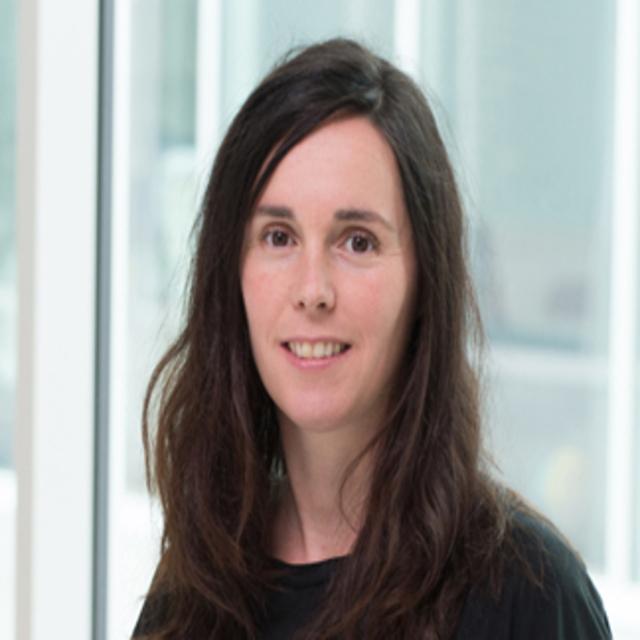
Emilie Morgan de Paula
Swiss Center of Expertise in the Social Sciences
Emilie Morgan de Paula was trained in sociology and communication sciences at the University of Fribourg. She currently works at the Swiss Center of Expertise in the Social Sciences (FORS) in the Data Management and Archive Services (DMAS) unit. Within FORS, she supports research data management and open sciences initiatives, and is editor of FORS guides on survey methods and data management.
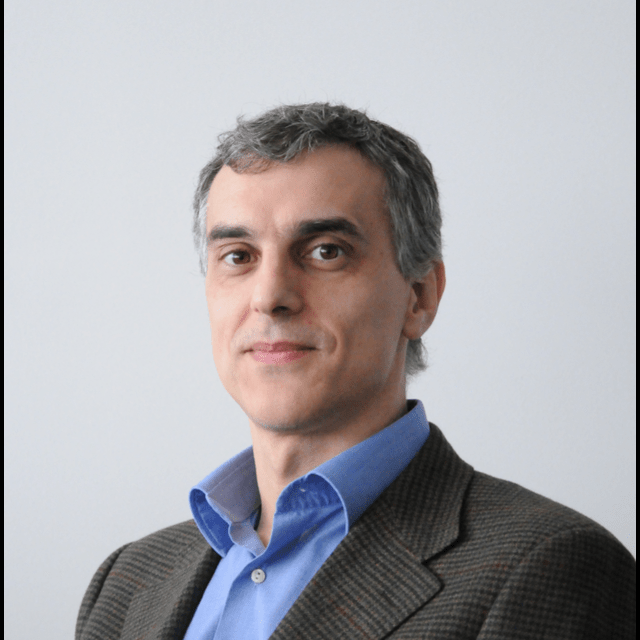
Mario Gay
Università della Svizzera italiana, Switzerland & University of Bath, UK
Mario Gay has over 30 years of experience in IT development and management in higher education and research. He worked at the Swiss national supercomputing center (CSCS) and Università della Svizzera italiana (USI), where he managed IT services for 26 years and represented USI in national committees and working groups. Since January 2024, he has retired from full-time work at USI and he is pursuing doctoral studies at the University of Bath, conducting research at USI, and consulting on IT governance, data protection, and information security in higher education and research.

Meret Hildebrandt
Swiss Centre of Expertise in the Social Sciences
Meret Hildebrandt completed her studies in physics at the University of Konstanz and Heidelberg. She has extensive work experience in the field of data preservation and management across various domains, as well as functional software development within this field. At the Swiss Centre of Expertise in the Social Sciences (FORS), her primary focus lies in data archiving, specifically conducting quality checks on metadata, and carrying out the maintenance and administration of the FORS ReplicationService.
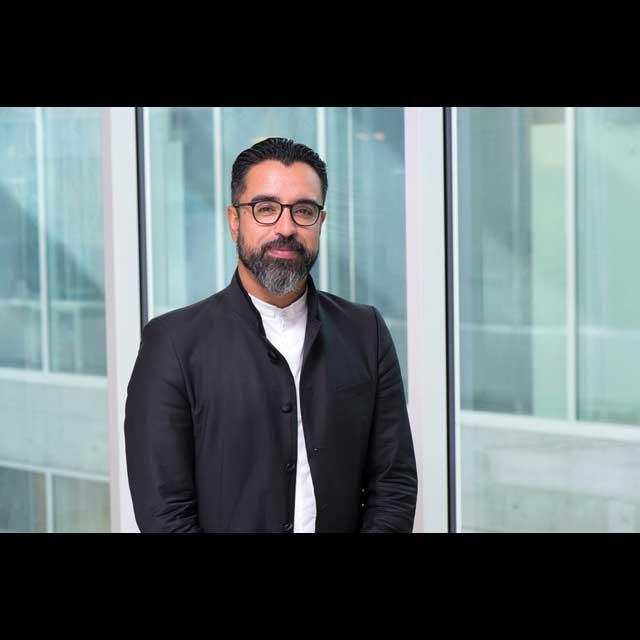
Pablo Diaz
University of Lausanne, Switzerland
Pablo Diaz has a PhD in social sciences. After working on several international research projects on issues relating to the circulation of public policy models, he reoriented his career towards supporting researchers. Over the last ten years, he has developed solid expertise in the management of personal and sensitive data, particularly within the Foundation FORS, where he worked until 2023. He is now the Research Ethics Officer of the University of Lausanne, where he coordinates the Research Ethics Committee (CER-UNIL) and contributes to steer institutional strategy in this area.